
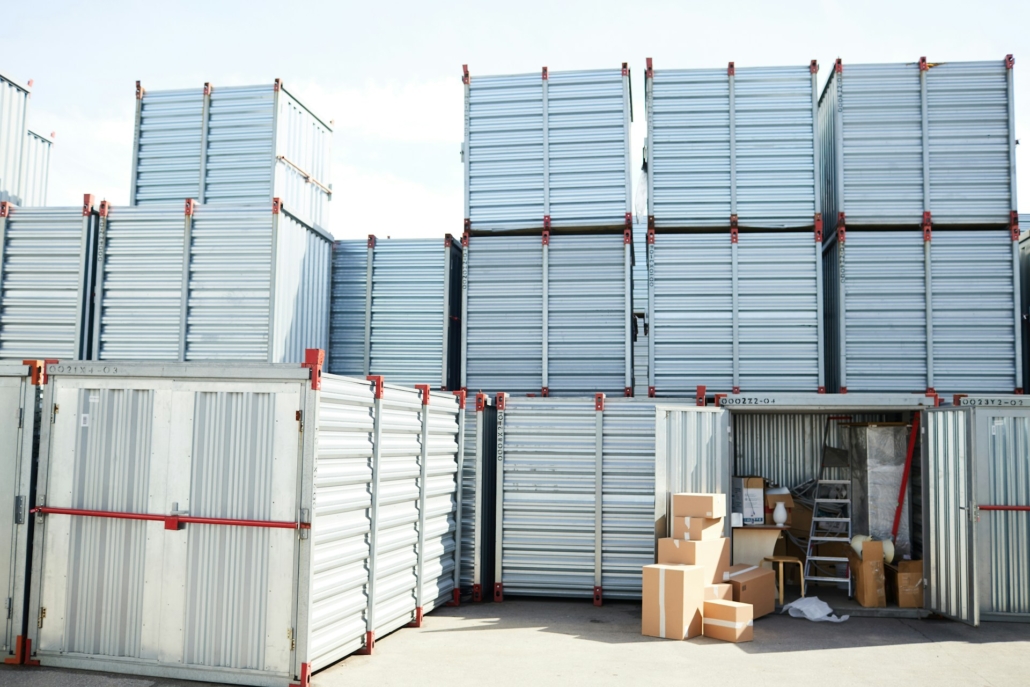
Prevent Break-Ins: Security Measures For Container Storage In Brisbane
When it comes to container storage in Brisbane, break-ins are a risk that can’t be taken lightly. Whether you’re holding stock while arranging distribution or keeping equipment secure between moves, the cost of a stolen or damaged container goes far beyond the lost items. It’s your time, your paperwork, and your client expectations on the line. A few standard locks won’t cut it anymore. The smarter your security setup, the fewer surprises you’ll face.
With Brisbane’s industrial zones and transport corridors constantly shifting, container yards and storage spots can easily find themselves exposed if they don’t keep up with common threats. From poor lighting to gaps in surveillance, the smallest oversight can end in expensive delays. If you’re managing container storage in Brisbane, there are specific steps you can take today to reduce the risk of break-ins and keep your operation running smoothly.
Evaluate Your Storage Facility
Before thinking about adding the latest tools or alarms, start with the place itself. The overall layout and location make a big difference when it comes to both risk and response times. You want to be storing your containers somewhere that’s not just easy for contractors and transport teams to access, but difficult for thieves to target without being noticed.
Here’s what to look for when reviewing your current storage setup:
– Location and surrounds
Avoid spots with poor visibility or no nearby businesses. Sites backed up against bushland or rail corridors can provide cover for forced entry. Consider whether thieves could gain access without being seen.
– Staff presence and patrols
A yard that’s actively staffed or at least regularly patrolled sends the right message. Unoccupied lots are easy targets. Security teams who understand the layout also spot issues faster, like gaps in fences or damage to locks.
– Surveillance systems
Security cameras aren’t just about catching someone later. They help deter break-ins before they happen. Systems that alert staff to movement after hours give you a heads-up before damage is done. Older cameras tucked in corners might feel high-tech, but if they’re not recording or too grainy to pick up a number plate, they’re not doing the job.
Always check whether footage is stored and reviewed properly. Even a functioning camera won’t help much if the memory card’s full or it’s only pointing at the ground.
Physical Security Measures That Matter
Once the site itself checks out, it’s time to look at the actual physical protection around the containers. Most thieves won’t waste time with something too hard to crack. So showing them from the start that your storage is locked down solid can be enough to steer them elsewhere.
Think about this short checklist:
– Tough, high-grade locks
Padlocks should be industrial strength. Better still, use lock boxes that cover the unit itself. These make it harder for bolt cutters to reach.
– Secure fencing and controlled entry
Is the yard fully enclosed with no obvious weak spots? Gates should latch tightly and only open to approved personnel. Entry logs help keep track of who’s come and gone.
– Lighting
Poor lighting is a thief’s best friend. Every part of the yard should be visible after dark, including corners and backing lanes. Solar lights can be a good way to fill in the gaps without the need to rewire the site.
Don’t wait for something to go wrong before sizing up your defences. A simple routine check of fences, locks and sightlines after a storm or strong winds can flag problems long before they’re exploited. For example, one importer noticed a large tree near their fence had been used by intruders to climb over. A single pruning job shut that down straightaway. Small actions like this protect more than just cargo, they keep disruptions off your calendar.
Technological Security Solutions That Work
Once you’ve got the site and physical barriers sorted, it’s time to bring in the smarts. Technology can fill the gaps in human observation and help you stay a step ahead. Proper systems will flag issues before they become a call from a freight forwarder asking why their goods never arrived.
Here are three key areas where tech makes a difference:
– Alarm systems tied to movement or door activity
These can trigger instant alerts to on-call staff or a monitoring provider. The quicker you know someone’s messing with your gear, the faster you can act.
– Access control systems
Swipes, codes or even mobile-based check-ins allow you to track exactly who enters and when. This helps filter out unauthorised access and keeps an audit trail if something does happen. Forget the old shared padlock code, too many people knowing it defeats its purpose.
– Tamper-evident seals
These might look simple, but they’re highly effective. You’ll know straight away if a container was touched between drop-off and pickup. They’re particularly useful if freight is being moved through multiple hands.
One operator we worked with used to rely on handwritten visitor logs and cheap chain locks. After one November break-in wiped out a full week’s inventory before peak retail season, they installed swipe-based access controls and digital logs. There hasn’t been an unauthorised entry since. The tech doesn’t need to be fancy, it just needs to work.
Routine Checks That Prevent Big Problems
Even a perfect setup gets worn down by time and weather. Regular inspections give you the chance to address small problems before they cascade into major incidents. Think of it like brushing your teeth, a little effort now saves a painful fix later.
Set a short checklist for your team:
1. Walk the perimeter twice a week looking for signs of tampering, fresh gaps near fences or broken locks
2. Test your alarm systems monthly to confirm alerts are going to the right people
3. Replace dead or flickering lights immediately, switches and bulbs wear quicker than you’d expect
4. Keep a simple log of who checks what and when, so nothing gets missed on handover
5. After any big storm, assign someone to do a once-over. Wind can push fencing out of alignment or loosen rooftop cameras
Small habits like these matter. It’s not about paperwork for the sake of it, but about proving you’re always monitoring and adjusting. You wouldn’t skip servicing a vehicle fleet, this should be the same.
The Right Team Behind The Security
You can have the best gear, strongest fences and smartest tech, but none of it means much if the people watching the site aren’t up to scratch. Human error is often what leaves the door open, literally.
Start by checking the basics:
– Does your security staff understand the layout of the site?
– Are they trained in recognising signs of forced access or suspicious behaviour?
– Do they know who to contact (and how fast) when issues pop up?
Hiring the right people is half the battle. You want those who show up on time, know their routines and stay alert. Past experience helps, but attitude matters more. It’s also worth having background checks in place, especially for those with access to high-value stock.
Drills don’t need to be dramatic, but running simple “what would you do if” scenarios monthly can help keep the team sharp. One team might realise that the torch they’re relying on only lasts ten minutes. Another may find their radio doesn’t work at the back end of the lot. These fixes are easy if you find them before they matter.
Staying Ahead of Risks and Keeping Things Moving
In Brisbane, container storage isn’t just about parking a box on gravel and throwing a lock on it. It’s about staying one step ahead. Threats can come from people, weather or process gaps, and all of them can derail your timeline. Whether it’s a delayed order, a break-in overnight, or tampered paperwork, the fallout ends up in your inbox, not anyone else’s.
What makes the real difference isn’t one single security system or trick. It’s a mix of practical choices: visible checks, strong hardware, smart access, trained people and regular follow-up. Each part covers a different type of risk, and together they form the kind of defence that keeps schedules on track and clients off your back.
Getting it right means fewer panicked calls, fewer stock write-offs and a smoother flow from port to customer. It’s not about locking down every inch of a yard with military-grade tech. It’s about building habits and systems that make break-ins more trouble than they’re worth. That’s how you stay in control. That’s what protects your business.
Ensure your container storage in Brisbane meets the right standards with DNV Transport’s secure approach. With solid workflows, hands-on oversight and purpose-built support at the port precinct, we help reduce risks and keep operations moving without interruptions.


