Hidden Risk How Storage Delays Happen at the Port
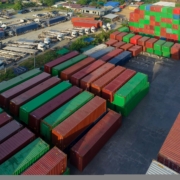
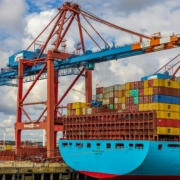
Storage delays at the port often feel like they come out of nowhere. One minute, a container is cleared to move, and the next it’s stuck with no clear path forward. It’s not always about paperwork or random slowdown. Most hold-ups start earlier in the chain. The real risk in container storage in Brisbane usually shows up in missed handovers, lagging fumigation work, or idle time no one accounted for.
March adds its own challenges. We start seeing tighter slot availability, busier yards, and seasonal triggers that leave less room for error. As volumes lift, any step that’s misaligned can send a container straight to storage instead of delivery. When one hand isn’t talking to the next, containers sit longer, cost more, and throw off the next few jobs.
Here’s where the trouble usually begins, and what to look for if you want boxes moving, not waiting.
Where Delays Start: Tailgates, Timing and Treatment
One of the first places timelines go sideways is during a tailgate inspection. A flagged container doesn’t just mean an extra look; it can trigger a chain reaction that leads straight to storage. If something’s missed in the pre-check, like signs of pest risk or non-compliant packaging, the container doesn’t move until it’s cleared.
That’s where fumigation steps in. Under QAP 1.1 and 11.2, any cargo showing signs of biosecurity risk needs treatment before unpack. Timing here matters. If fumigation isn’t sorted quickly, the container may end up waiting days, which throws off the delivery run and eats into limited yard space.
When we organise fumigation on-site at the Port of Brisbane, we avoid the waste of back-and-forth trips. It speeds things up, keeps the container in the right zone, and means it’s cleared to move faster. The difference between a same-day release and a multi-day delay often comes down to whether fumigation happens close to where the container lands.
DNV Transport is accredited to provide Quarantine Approved Premises (QAP) services for both 1.1 and 11.2 classes, managing inspections, unpacking, and fumigation at our port-adjacent depot in Brisbane. Our in-house team ensures that paperwork, risk assessment, and container handling align precisely with biosecurity requirements, reducing user error and administrative slowdowns.
Tight Slots and Congested Yards
Slot management around Brisbane starts to get tight in early March. There’s more movement, tougher windows to hit, and lots of operators scrambling to get containers out before detention fees kick in. If a slot is missed or there’s no fallback plan, the container doesn’t leave the yard. That usually pushes it into short-term storage whether you meant that or not.
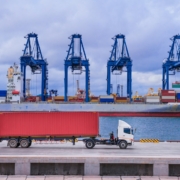
This is where control over fleet and tracking makes a real impact. When we know exactly where containers are and can shift plans quickly, we’re far less likely to miss the booked run. It means no sitting around waiting on someone else’s truck to show up.
And when containers do miss their slots, the fallback isn’t free. Stored containers take up space, cost money, and often delay other jobs waiting on that same driver or trailer. That ripple is the real problem; one delay becomes three, and suddenly your whole day slides backwards.
Our live container tracking and dispatch tools allow real-time response for quick schedule adjustments and direct communication with port operators, shippers, and on-site teams. This precision helps keep your container from landing in unintended storage.
Not Site-Ready? Not Moving
Sometimes the problem isn’t the port at all. It’s the site expecting the delivery. If a container arrives to find rough ground, no space for unloading, blocked access, or unclear instructions, things grind to a halt.
Take a side loader, for example. It needs space to lower the container safely, typically beside the truck, not behind it. If the area isn’t prepped or if power lines block the drop, that container isn’t getting unloaded. It either heads back to the yard, or worse, sits on the truck and delays the next job too.
That kind of holdup spills right back into the port precinct. The driver can’t swap trailers or pick up the next job, and the container they had is still in transit but not delivered. If the next job depends on that same unit or driver, everything stalls.
Avoiding unnecessary container storage in Brisbane starts with making sure the site receiving the load can actually take it on time. Clear entry, prepped surface, confirmed unload method, it all counts.
Storage by Default: When Gaps in the Chain Stall the Job
Sometimes we see containers stored just because no one confirmed the next link. No fumigation organised. No slot booked. No clear delivery window confirmed. That’s when storage stops being a plan and becomes a placeholder. And it tends to get expensive quickly.
This is especially common during seasonal volume spikes, like what we expect in March. Port-adjacent yards start to fill up. Finding a spot gets harder, and retrieving containers on short notice only adds to the strain. The longer they sit, the harder it is to align the rest of the work.
We always push for storage to be a step, not a limbo. If a container needs to be held, it should be because there’s a fixed reason, timing the delivery drop, coordinating unpack, or slotting in line with a shift, not just because no one decided what happens next.
Preventing Unplanned Storage and Keeping Freight Moving
Most container storage delays in Brisbane don’t happen during transit. They happen before the truck even moves. A slip at fumigation, a missed slot, poor site access, or no handover plan, these are the actual causes. They just don’t show up until the container stops moving.
If you’re trying to keep things tight this March, get ahead of the gaps. Know what the container needs before it hits the ground. Have your slot pre-booked. Sort fumigation before the risk window closes. Make sure the receiver is ready. Cut the variables early so your containers stay on track, not stuck in storage.
We understand that port operations in Brisbane become even more challenging during peak seasons, so our integrated storage and transport solutions are designed to handle both standard and volume-surged jobs with equal visibility and care. Our secure, port-adjacent warehousing and distribution yard keeps every step of your Brisbane container journey under our direct control, minimising lost time at every link.
For tailored support with container storage in Brisbane, DNV Transport is ready to help your business avoid unnecessary delays, costs, and frustrating bottlenecks.