
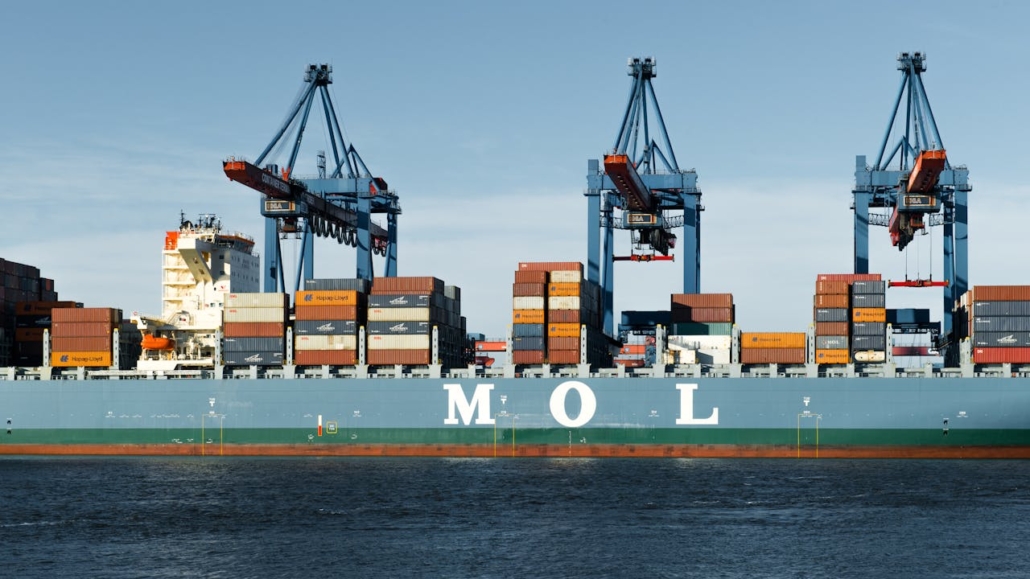
The Owned Fleet Advantage in Container Transport in Brisbane
When freight schedules are tight and the stakes are high, having full control over your fleet isn’t just a nice-to-have. It’s the difference between hitting your window and scrambling for excuses. Especially in container transport in Brisbane, owning the wheels often means owning the result. We’ve seen how third-party delays can snowball fast. One missed pickup turns into a missed dehire, then a detention fee, then a late customer call. This post breaks down how running our own trucks changes the game, from reliability and control to faster response when plans shift.
Why outsourced fleets leave you guessing
When you don’t run the trucks yourself, a lot can go wrong. We’ve worked with importers who used outsourced carriers before coming to us, and the issues tend to fall into a few predictable buckets:
- Last-minute delays with no explanation
- Drivers turning up without knowing the site layout or cargo type
- Dispatch centres that go quiet when a schedule slips
When the truck isn’t really yours, you’re always waiting. You wait for updates, wait for rebooks, wait for answers. And when things go sideways, who gets the blame? It’s often not the subcontractor, it’s the importer or logistics manager left explaining the fallout. Reputation damage can sting more than the missed slot.
The lack of communication and uncertainty can leave your team scrambling, adding hours of correction every time something changes at the last minute. The blame rarely lands with the party responsible for the slip. More often than not, it’s the operations manager or the person coordinating shipping that has to answer tough questions. These cycles can do more harm than a single missed delivery, harming relationships with end customers and creating internal pressure.
What an owned fleet actually gives you
With our own fleet, we’re not guessing. We know where our trucks are, how well they’re running, and who’s behind the wheel. That means:
- Predictable vehicle availability, even during vessel bunching
- Drivers trained on local conditions, from tight metro turns to remote farm roads
- Built-in flexibility when plans shift, whether that’s a slipped vessel or a late fumigation release
It’s more than just consistency. It’s the ability to respond fast when something changes. And something always does.
Owning the trucks means schedules are far less likely to slip while waiting for availability, especially when multiple containers land at once. When our drivers are operating, we do not need to wait on third-party instructions or slot allocations. Instead, we can manage changes in real time, rerouting a vehicle mid-run or adjusting sequencing when other arrangements change.
DNV Transport’s owned fleet servicing Brisbane uses a mix of sideloader, skel and tautliner trailers, allowing us to match equipment to the job for more reliable and faster container moves. Our vehicles are accredited to meet QAP (Quarantine Approved Premises) biosecurity standards for import container handling, giving peace of mind for high-compliance jobs.
Our ability to control maintenance, keep all vehicles in working order, and know exactly who’s on the job means scheduled work stays on track. There are fewer unknowns about driver reliability, safety standards, or breakdowns because everything is managed under one roof.
Why it matters for Brisbane’s short-turn corridors
Brisbane’s container runs aren’t long, but they are intense. Most moves are within tight metro corridors or out to nearby areas like the Gold Coast or Sunshine Coast. That close range means there’s less room for error. A small stall can mean missing your delivery window entirely.
- Our location close to the Port of Brisbane cuts back-and-forth runs
- The right trailer setup stops delays at lifts and deliveries
- Full run control avoids handovers that can slow everything down
When you manage the whole leg, from the port gate to the final drop, you hold the timing tighter. That’s what makes a short run actually short.
These short runs can feel easy on paper, but local road congestion, port traffic, and rapid slot turnover mean the margin for error is tiny. Delays at any step can stack up and have knock-on effects down the delivery line. When we operate from a port-side base, we respond quickly to changing vessel arrivals and slot changes, getting your container moving faster and reaching your site on time.
For businesses managing project work or tightly scheduled clients, every saved minute in the corridor matters. It’s easier to scale up for peak weeks or big jobs because vehicle deployment is managed from just outside the wharf gate. Clients aren’t left wondering if a truck will be sent from across the city, shaving uncertainty out of each move.
Real-time control means real-time answers
Schedules shift. Slots move. Vessels delay. It happens all the time. But our dispatch doesn’t sit waiting for the phone to ring. We see movement live and can act on it straight away.
- Live vehicle tracking gives visibility without needing to chase updates
- In-house schedulers react in real time, not waiting for the next shift
- Clients feel the difference with predictable updates and less scrambling
Instead of finger-pointing or waiting for someone else’s answer, we just get it sorted. That clarity builds trust. And that trust holds when the pressure’s on.
When you need to respond mid-task, maybe a wharf slot comes forward or there’s a change in dehire window, direct control means seamless change. You get one set of answers and don’t have to chase across a chain of subcontractors. Real-time answers translate to fewer disruptions and let import managers keep end customers in the loop with confidence.
Our team can spot and solve issues as they develop, not hours or days later. That means quick reroutes for traffic changes, instant driver comms if access is blocked at a site, and zero “I’ll get back to you”, because we know immediately who and where to call. For clients, it feels like fewer moving pieces and a lot less stress.
One plan, one schedule, one crew
Some deliveries aren’t just a drop-off. There’s fumigation to complete, holding times to observe, inspections to pass, and yard windows to coordinate. Miss the line on any of those and the container sits. That’s where true coordination matters.
- Aligning fumigation release with inspection slots and final delivery
- Matching returns to dehire windows without messy rebookings
- Keeping that chain tight, from QAP compliance to customer deadline
Controlling each step through one system, one plan, and one group of drivers means we’re not relaying messages, we’re just running the job. It’s cleaner. It’s faster. And it’s accurate from start to finish.
Having a familiar crew on each job also means everyone knows the expectations and procedures. Drivers and dispatchers can predict how long different stages take, anticipate where time could be lost, and make calls before issues escalate. When inspection or fumigation is booked, that window is met, not missed because handover info didn’t get through. Even when windows are tight, everything is sequenced to the same internal schedule.
For operational teams, that means dealing with one set of contacts and knowing who’s responsible for every part of the process. You don’t need to ask around for status updates because the team in charge already knows. By eliminating extra handovers, communication gets clearer, and jobs finish closer to promise with less rework.
Complete Fleet Control Means Reliability
When you are shipping high-value freight against short project timelines, you cannot afford loose ends or repeat handovers. Owning the fleet closes the loop, so there is no waiting for callbacks or hoping a sub-contractor is available last minute in the Brisbane rush. DNV Transport’s direct management of drivers and equipment eliminates common points of failure and keeps critical deliveries running smoothly.
The direct model gives us a single source of truth for jobs in progress, which is essential for time-sensitive import containers and project freight. With a base near the Port of Brisbane, our team is always close to vessel arrivals and the action, so delays are minimised before they start.
Working with our team means working with people who know your business and anticipate your sites’ challenges. Our experience on the roads and close to the port means fewer missteps and more consistent on-time outcomes. That level of reliability helps you protect your business reputation and makes sure that tight projects do not slip at the last stage.
Each delivery benefits from our direct oversight of cargo, people and process at every turn. Fewer delays, less risk of missed handoffs, and an overall smoother run, especially when time matters most and every handover could add complexity or confusion.
No delays, no guesswork, just straight-through control
When you’re moving high-value freight against short project timelines, you don’t want loose ends. Owning the fleet closes the loop. No waiting on callbacks. No watching the day slip through someone else’s hands. It’s our trucks, our people, and our job to get it delivered right.
In Brisbane’s high-pressure corridors, that kind of clear control doesn’t just make life easier. It means fewer missed beats, faster responses, and fewer hours spent chasing updates. The trucks roll, the slots hold, and the handovers disappear. We do the whole job, and our boots are already on the ground.
Tired of delays, handovers and missed dehire windows? Our owned fleet, port-side base and live tracking give us complete control of every run, from wharf to delivery, ensuring tighter scheduling, faster responses and fewer surprises if plans change. Discover how we handle container transport in Brisbane without depending on third parties. Contact DNV Transport to take the uncertainty out of your next move.


